 Bot Menagerie

The Chupacabra
also known as el chupacabras, the goat-sucker
📍 Puerto Rico & the American Southwest
the goat-sucker. spiky, fanged, and hungry.
The Chupacabra, whose name means "goat-sucker," is a modern cryptid first reported in Puerto Rico in the 1990s after a rash of drained livestock. Early accounts described a spiny, reptilian creature with red eyes, while later Southwestern sightings describe a hairless, dog-like animal. It is one of the youngest and fastest-spreading cryptid legends.
started as a spiny alien, became a sad hairless dog. character development.
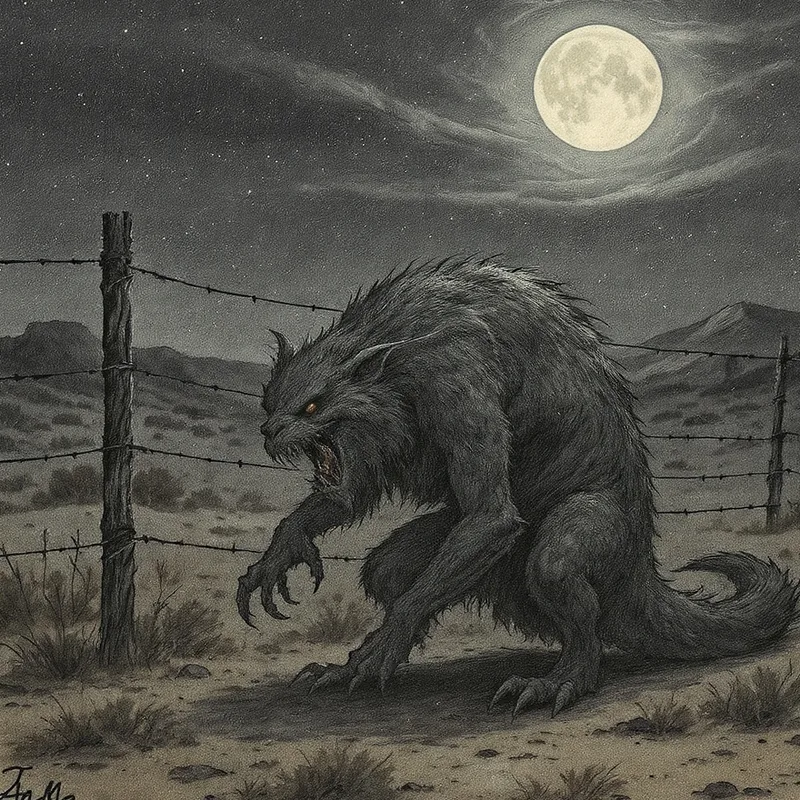
The 1995 Puerto Rico panic
The Chupacabra legend began in Puerto Rico in 1995, when farmers reported livestock, especially goats, found dead with strange puncture wounds and, it was claimed, their blood drained. An early and influential eyewitness described a creature about four feet tall with spikes down its back, large red eyes, and a leaping gait. The story spread rapidly through Latin America and into the United States.
From spiny alien to hairless dog
As the legend crossed into Mexico and the American Southwest, especially Texas, the description quietly changed. The reptilian, spined "original" gave way to a hairless, grey, dog-like animal with a pronounced spine and fangs, and ranchers began producing actual carcasses to match. This split personality, alien one decade and mangy canid the next, is a big part of what makes the Chupacabra such a strange, modern cryptid.
What people are probably finding
Nearly every physical "Chupacabra" body that has been examined has turned out to be a coyote, dog, or raccoon suffering from severe mange, a mite infestation that causes fur loss, thickened skin, and a gaunt, alien look. Predators also puncture necks and do not actually drain blood, so the "bloodless" livestock is largely a misreading of normal predation and decomposition. Researchers have even traced the spiny original description to imagery resembling a creature from a 1990s science-fiction film.
Is The Chupacabra real?
The Chupacabra is not a confirmed species. Every body tested has been a known animal, usually a coyote or dog with mange, and the "drained blood" detail does not hold up to examination. It is a genuinely modern legend, less than a lifetime old, that spread through news and word of mouth.
The short version: The Chupacabra is folklore, a favorite of cryptozoology (the search for hidden or unproven animals), not a scientifically recognized species. The illustrations on this page are our own original art, not photographs. If you go looking, respect private property and wildlife, and let the legends stay legends.
The Chupacabra: your questions
What is the Chupacabra?
The Chupacabra ("goat-sucker") is a cryptid blamed for killing and supposedly draining the blood of livestock. It was first reported in Puerto Rico in 1995 and later across Mexico and the American Southwest.
Where is the Chupacabra found?
The original sightings were in Puerto Rico; later reports come mostly from Mexico and the southwestern United States, especially Texas.
Why do people find hairless "Chupacabra" bodies?
Because those bodies are almost always coyotes, dogs, or raccoons with severe mange, a mite infestation that causes hair loss and a gaunt, unfamiliar appearance that looks monstrous at a glance.
Is the Chupacabra real?
No. Many supposed Chupacabra bodies have been tested and turned out to be ordinary mammals with mange. It remains an unproven, and unusually modern, cryptid legend.